AI Startup Exchange
Connecting the World Through Hong Kong’s Winds | DABANC Guides You Through the Web3 Carnival and the AI × Web3 Revolution
In April 2026, Hong Kong once again became the focal point of global Web3 discussions. From April 20 to 23, the 4th Hong Kong Web3 Carnival took place at the Hong Kong Convention and Exhibition Centre. Organized by Wanxiang Blockchain Lab and co-hosted by HashKey Group, the event featured four major thematic stages: "Mountain," "Wind," "Cloud," and "Sea." The conference focused on pivotal issues such as the convergence of traditional finance with crypto finance, the integration of AI and Web3, the tokenization of Real-World Assets (RWA), and the reconfiguration of stablecoins and payment systems. These topics are shaping the future of Web3, making the event a critical gathering for thought leaders and industry professionals.
Over recent years, Web3 has largely remained within the realm of technical innovation, particularly in blockchain. However, at this year's conference, the direction of Web3 has become more apparent. It is no longer just about the "crypto-native world," but is transitioning into the "foundation of the real financial system."
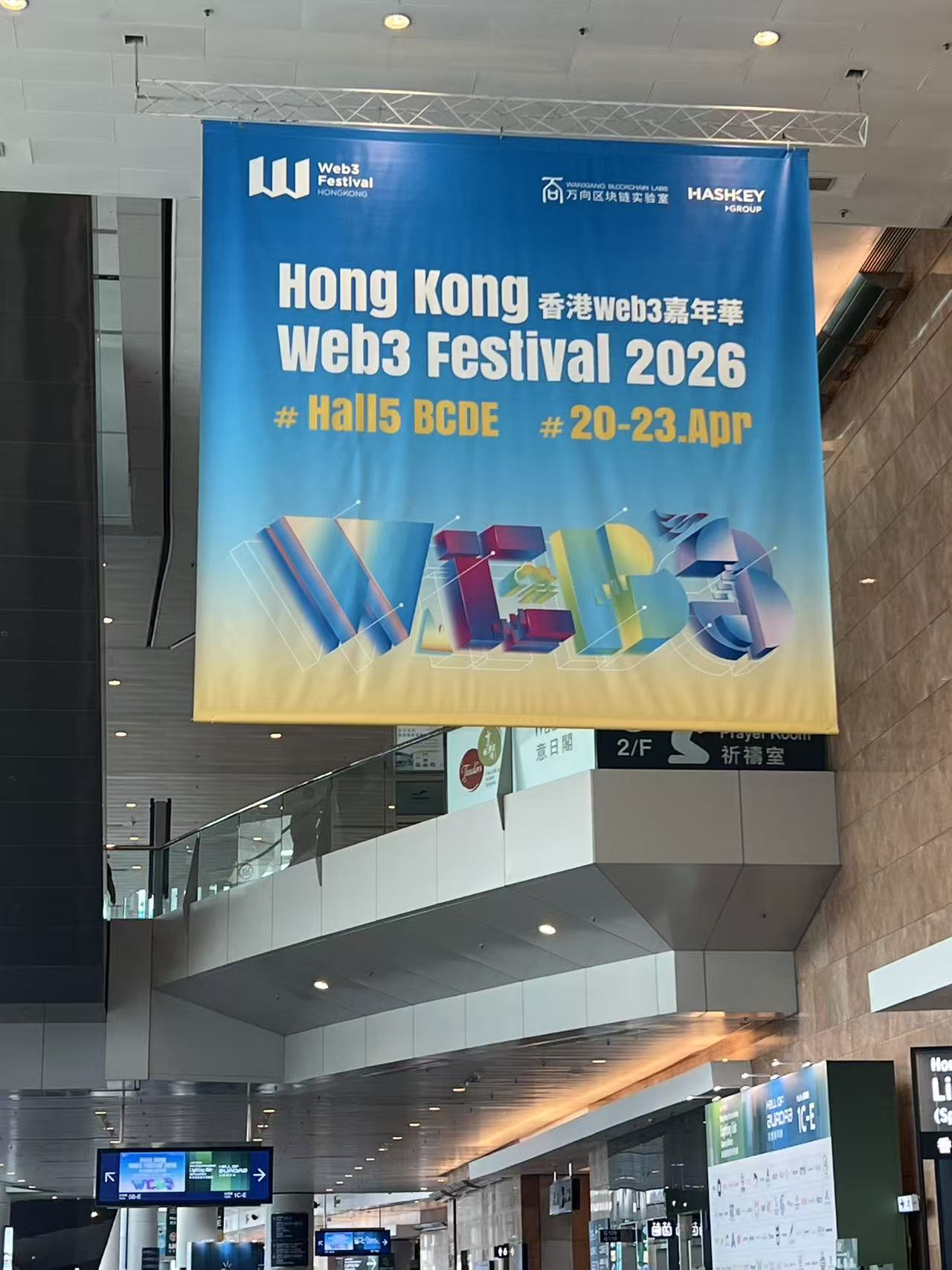
At the opening ceremony, Hong Kong's Financial Secretary, Mr. Paul Chan Mo-po, highlighted that 2026 marks a "turning point" for the industry. According to him, Web3 is maturing and its applications are expanding into broader sectors of the real economy. At the same time, AI-driven digital intelligence is being increasingly integrated into economic systems. The rise of "agentic AI" is seen as a key milestone in this transition. When Web3 intersects with AI, it could significantly transform industries such as transactions, payments, settlements, supply chains, and wealth management.
The core of this change lies not just in the technology itself, but in the system that is starting to take shape. As stablecoin licenses, tokenized bonds, and clearer regulatory pathways emerge, Web3 is no longer merely a technical experiment, but is beginning to gain institutional backing.
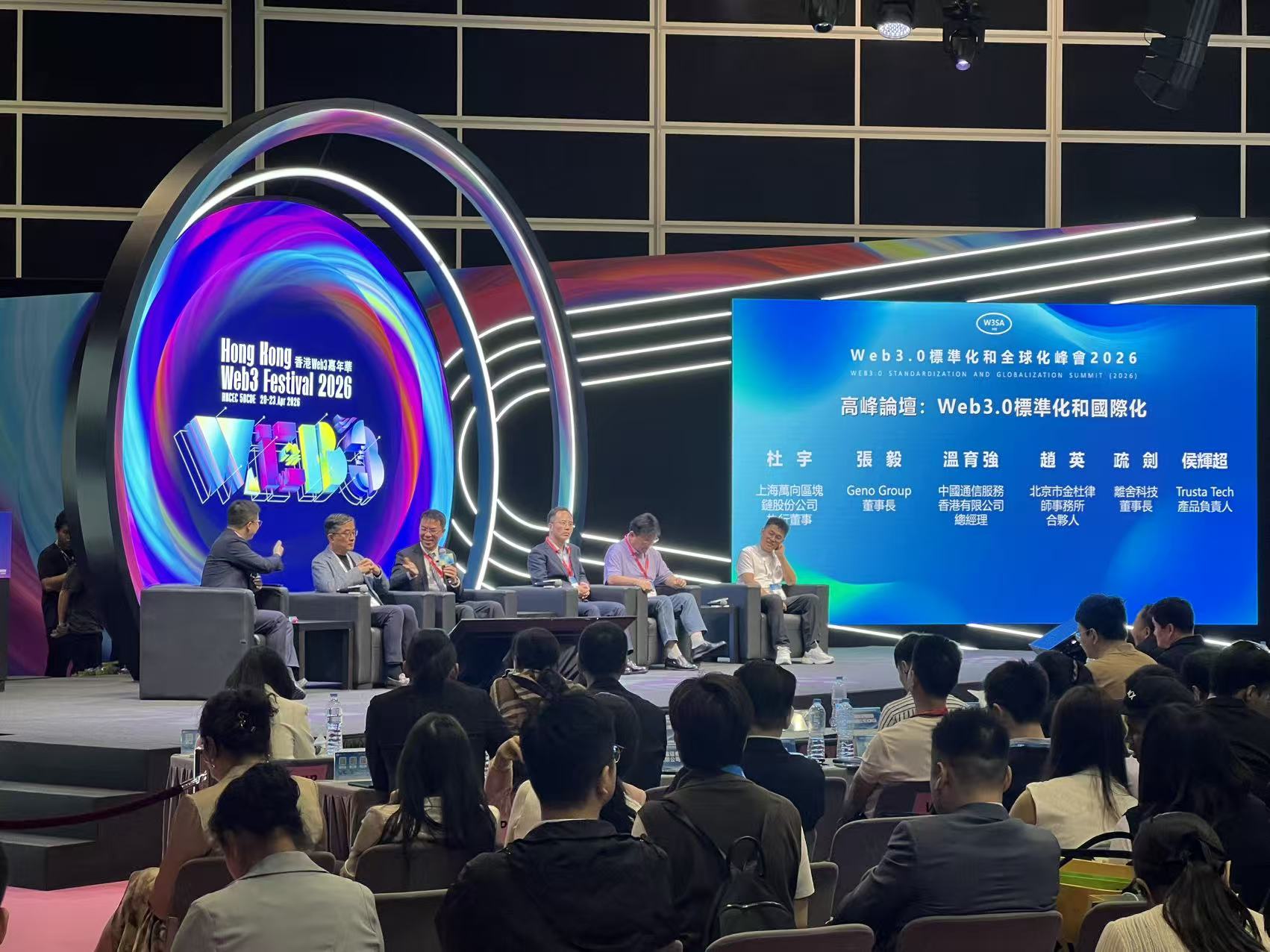
This year’s conference marks a shift in focus compared to previous years. The integration of traditional finance with the crypto ecosystem has become a central theme. The discussion surrounding Real-World Assets (RWA) has evolved from theoretical concepts to actual asset issuance and circulation. Furthermore, the intersection of AI and Web3 has moved from abstract discussions to more structural issues that are fundamental to the future of both industries.
As AI agents develop the ability to analyze and execute decisions, the traditional roles of human traders in trading, decision-making, payments, and settlements will be increasingly taken over by AI systems. This means that the operational layer of the economy is being influenced by AI, while Web3 is positioning itself as the value-settlement layer.
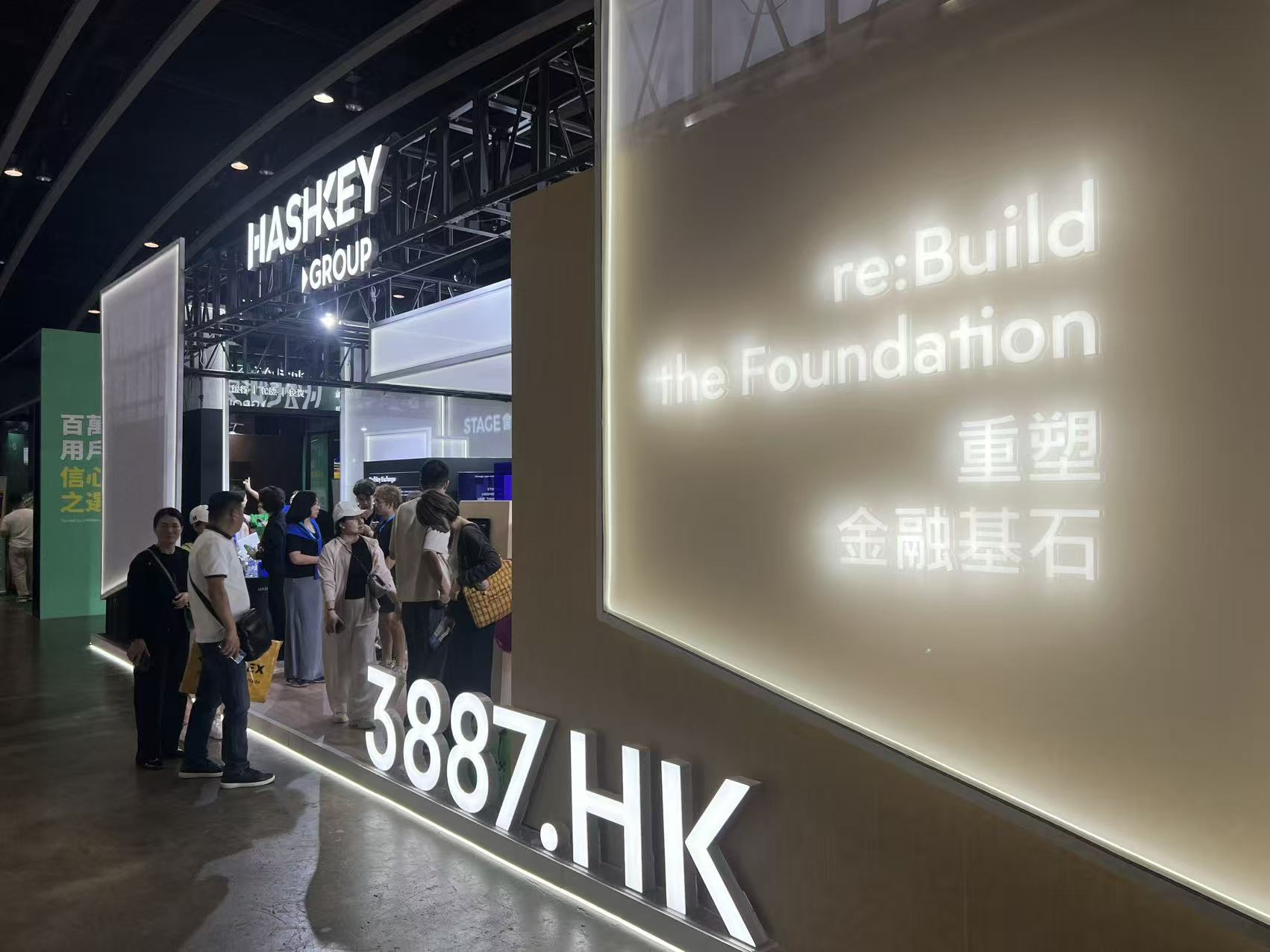
One of the key shifts observed at the conference is the blurring of boundaries between different financial systems. Traditional financial institutions are now actively engaging with tokenized assets and exploring on-chain payments, while crypto-ecosystem projects are seeking integration with real-world assets and regulatory frameworks. Meanwhile, the tech community is driving the convergence of AI and Web3 at the foundational level.
This signifies a broader industry focus on "system connectivity" rather than isolated innovation. Once established, this connection will no longer rely on specific projects or short-term cycles, but will evolve into a long-term, sustainable structure.
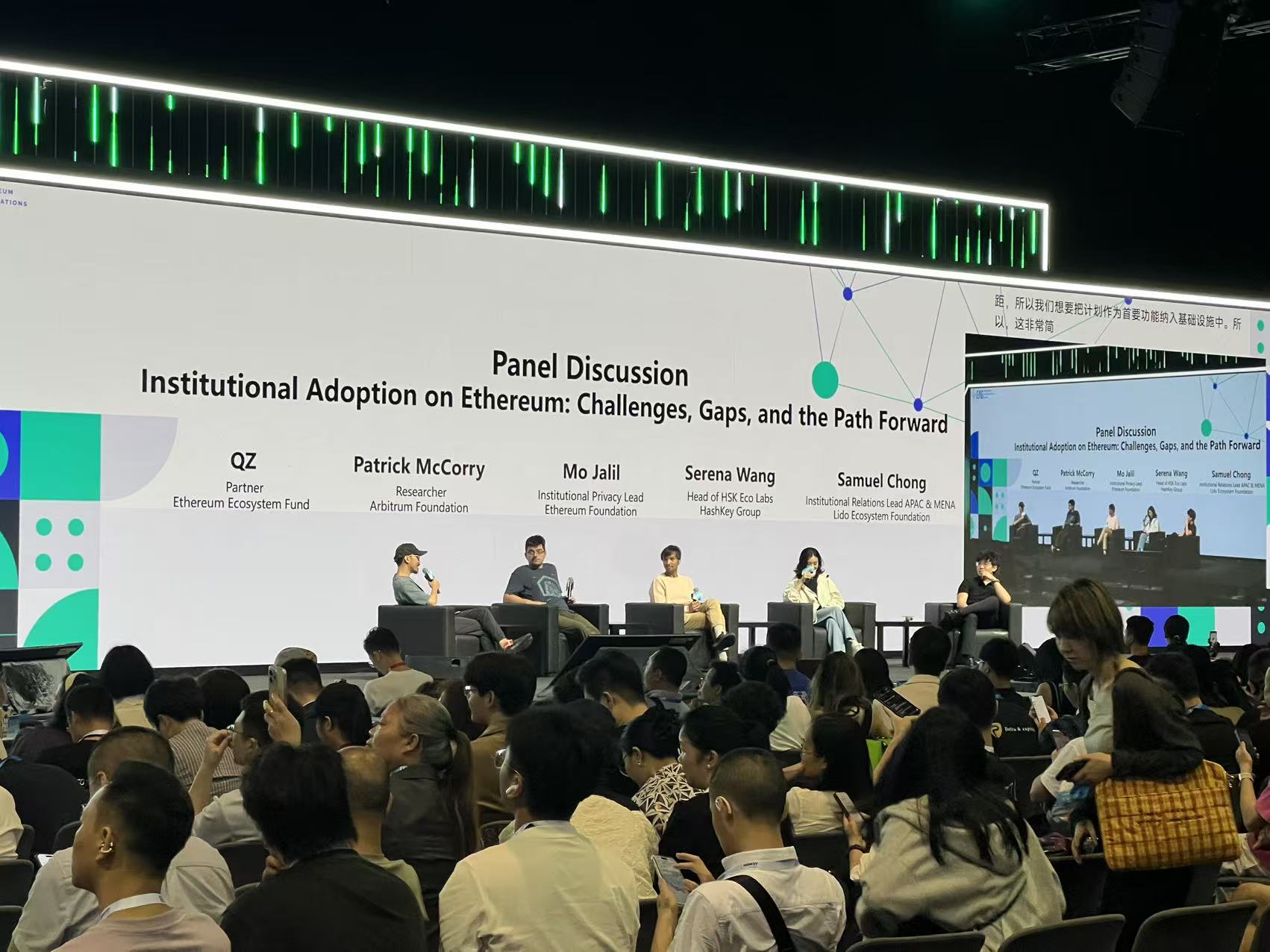
Whether it's the practical implementation of AI applications, the establishment of data security systems, or the expansion into global markets, the industry is increasingly converging on one central goal: building a robust industrial system to support the large-scale adoption of these groundbreaking technologies.